
The Grizzly Guide to Hurricane-Rated Garage Doors
In Florida, storms are a part of life. Because of that, choosing a hurricane-rated garage door isn’t just a wise upgrade – it’s one of the strongest defenses you can add to your home. At Grizzly Garage Gates, we’ve seen how the right door protects families from destructive winds, flying debris, and the intense pressure changes that hurricanes create. In the guide below, we’ll walk you through the key features, ratings, materials, and steps you need to know before upgrading your door.
What Makes a Garage Door Hurricane-Rated?
Engineered for Real Storms, Not Light Weather
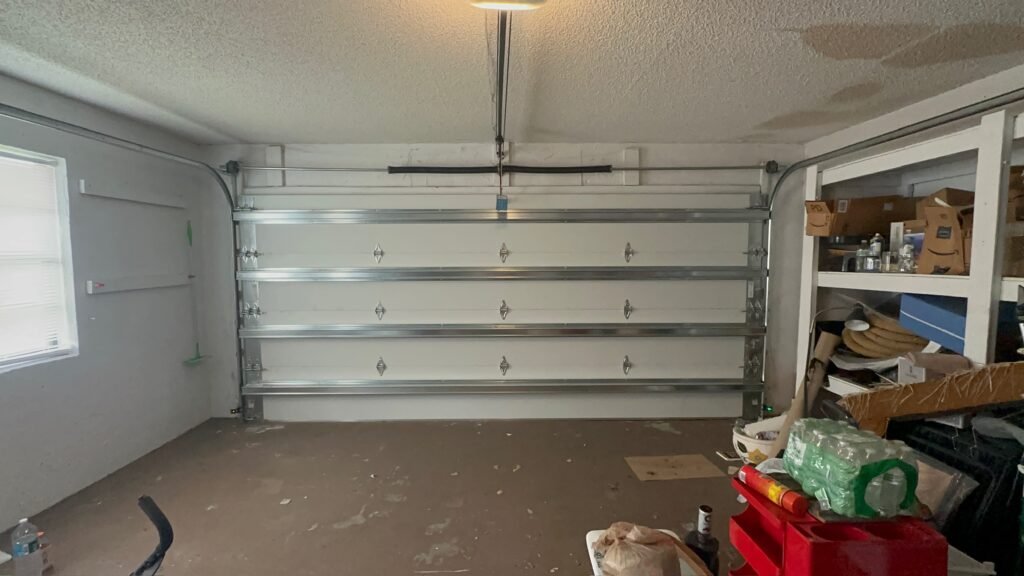
A hurricane-rated garage door is built to withstand high wind speeds, sudden pressure changes, and direct impacts from debris. Unlike standard doors, these systems use reinforced panels, heavy-duty tracks, and upgraded brackets to prevent blowouts during dangerous conditions. Because your garage is the largest opening in your home, it plays a major role in keeping your property stable during a storm.
As a result, hurricane-rated doors go through strict testing so manufacturers can certify their wind-load and impact resistance. When installed properly, these doors significantly reduce the chances of roof lift, wall failure, and interior damage.
Why Ratings Matter More Than You Think
- Protects your home’s structure: Prevents sudden internal pressure changes that can cause major damage.
- Reduces storm repair costs: Helps avoid costly roof, wall, and water damage.
- Improves family safety: Keeps dangerous debris and extreme wind forces out of the home.
- Complies with Florida building codes: Required in many counties to pass inspection and maintain insurance eligibility.
Understanding Florida Building Codes & Wind Zones
Know Your Required Protection Level
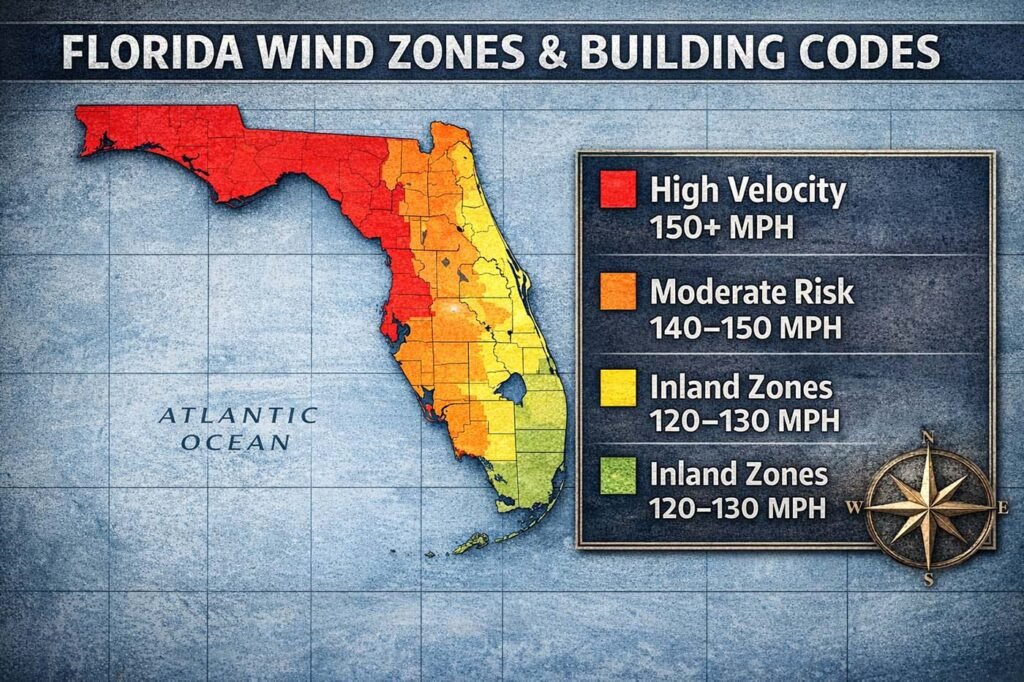
Because wind risks vary across the state, Florida has strict building codes for garage doors. These codes often change from one county or even one neighborhood to another. Consequently, it’s essential to confirm your exact wind-load requirement before selecting a door. Homes closer to the coast typically require higher ratings, while inland areas may have lower thresholds.
When you install a garage door that meets or exceeds your zone’s requirements, you improve safety and simplify insurance claims after a storm.
How to Stay Code Compliant
- Check your wind zone: Look up your property’s required design pressure rating.
- Review product labels: Every hurricane-rated door should show its pressure and impact certification.
- Consult licensed professionals: A certified installer ensures your garage frame, mounting system, and hardware meet local code.
- Keep documentation: Your wind-load certification should be saved for insurance and future inspections.
For more information on Florida Building Codes – Check out https://floridabuilding.org/
Choosing the Right Materials & Style
Strength Meets Curb Appeal
Hurricane protection doesn’t mean sacrificing style. Today’s storm-rated doors come in a wide variety of colors, finishes, and architectural styles. Because of these options, homeowners can increase curb appeal while improving home safety. The key is selecting a material that blends durability with the look you want.
Material Comparison
| Material | Durability | Appearance |
|---|---|---|
| Steel | Extremely strong, highly impact-resistant | Available in modern or traditional designs |
| Aluminum | Rust-resistant, lightweight, great for coastal areas | Sleek, contemporary look, often used in glass doors |
| Fiberglass | Lightweight with reinforced layers | Custom textures and finishes available |
| Wood-Look Reinforced Doors | Steel core with protective layers for impact strength | Warm, natural appearance without the maintenance of real wood |
Whichever material you prefer, always confirm the door’s specific wind-load rating. Not all hurricane-rated doors are tested equally, so choosing the correct level of protection is essential for Florida homes.
Key Features to Look For
Although materials play an important role, the internal reinforcements and hardware determine how well a door performs during a storm. For this reason, look beyond the exterior style and focus on the components built to keep your home safe.
- Reinforced panels: Internal struts and supports that add rigidity against wind pressure.
- Heavy-duty tracks: Thicker steel tracks designed to prevent bending or collapse.
- Upgraded brackets & hinges: These help secure the door in high-wind events.
- Impact-resistant construction: Required in some Florida regions to withstand debris hits.
- Weather seals: Improve insulation and reduce wind-driven rain entering the garage.
Planning a Proper Hurricane-Rated Installation
Why Installation Quality Matters
Even the highest-rated door can fail if it’s installed incorrectly. Because hurricanes put extreme stress on mounting points, framing, and hardware, proper installation is just as important as the door you choose. In many cases, homeowners underestimate how much reinforcement is required behind the scenes.
At Grizzly Garage Gates, we follow strict installation procedures to make sure every anchor, bracket, and track is secure and leveled. As a result, your door performs exactly the way it was designed to during a storm.
Steps for a Secure, Code-Compliant Installation
- Evaluate the existing structure: We check your frame, header, and jambs to confirm they can handle the required design pressures.
- Use manufacturer-approved hardware: This ensures your warranty and rating remain valid.
- Install reinforced tracks and brackets: These pieces lock the door in place against strong winds.
- Test balance and opener settings: We make sure the door operates smoothly while staying secure.
- Perform a full code and safety check: Every installation must meet Florida requirements before we consider it complete.
Maintaining Your Hurricane-Rated Garage Door
Stay Ready for Storm Season
A hurricane-rated door is only as reliable as its maintenance routine. Although these systems are built tough, regular upkeep ensures they stay ready for sudden weather changes. Fortunately, most preventative care is simple and quick.
Easy Maintenance Practices
- Lubricate moving parts: Apply lubrication to rollers, hinges, and springs 2–3 times per year.
- Check weatherstripping: Replace worn or cracked seals to block wind and moisture.
- Inspect hardware: Tighten loose screws or brackets before they cause operational issues.
- Monitor door movement: If the door jerks, grinds, or shifts unevenly, schedule a professional inspection.
- Clear debris: Remove sand, leaves, and dirt from tracks to maintain smooth operation.
Although minor upkeep can be done by homeowners, tasks involving tensioned springs or heavy components should always be handled by trained professionals for safety reasons.
Quick Buyer’s Checklist
Before choosing your door, review this list to ensure you’re selecting the right level of protection:
- ✅ Door is certified hurricane-rated or wind-load tested
- ✅ Rating matches your Florida wind zone
- ✅ Reinforced tracks, hinges, and brackets included
- ✅ Installed by a licensed, experienced professional
- ✅ Annual maintenance plan in place before storm season
Key Takeaways
- Hurricane-rated garage doors are essential for protecting Florida homes from wind, pressure, and debris.
- Local building codes determine the exact wind-load rating you need, so always verify your zone.
- Door materials impact both appearance and performance, giving you flexibility in design.
- Quality installation is crucial – strength starts with the hardware behind the scenes.
- Routine maintenance prepares your home long before the next storm arrives.
Ready to Upgrade? The Grizzly Team Can Help.
Choosing a hurricane-rated door is an investment in your home’s safety and your family’s peace of mind. At Grizzly Garage Gates, we install certified, impact-rated systems designed for Florida’s toughest weather. Additionally, we guide you through every step—from selection to installation and long-term care.
Want expert help choosing the right door? Schedule your consultation online and get the Grizzly upgrade your home deserves.